Easy DIY Mini Holiday Tree Skirt Crochet Free Pattern
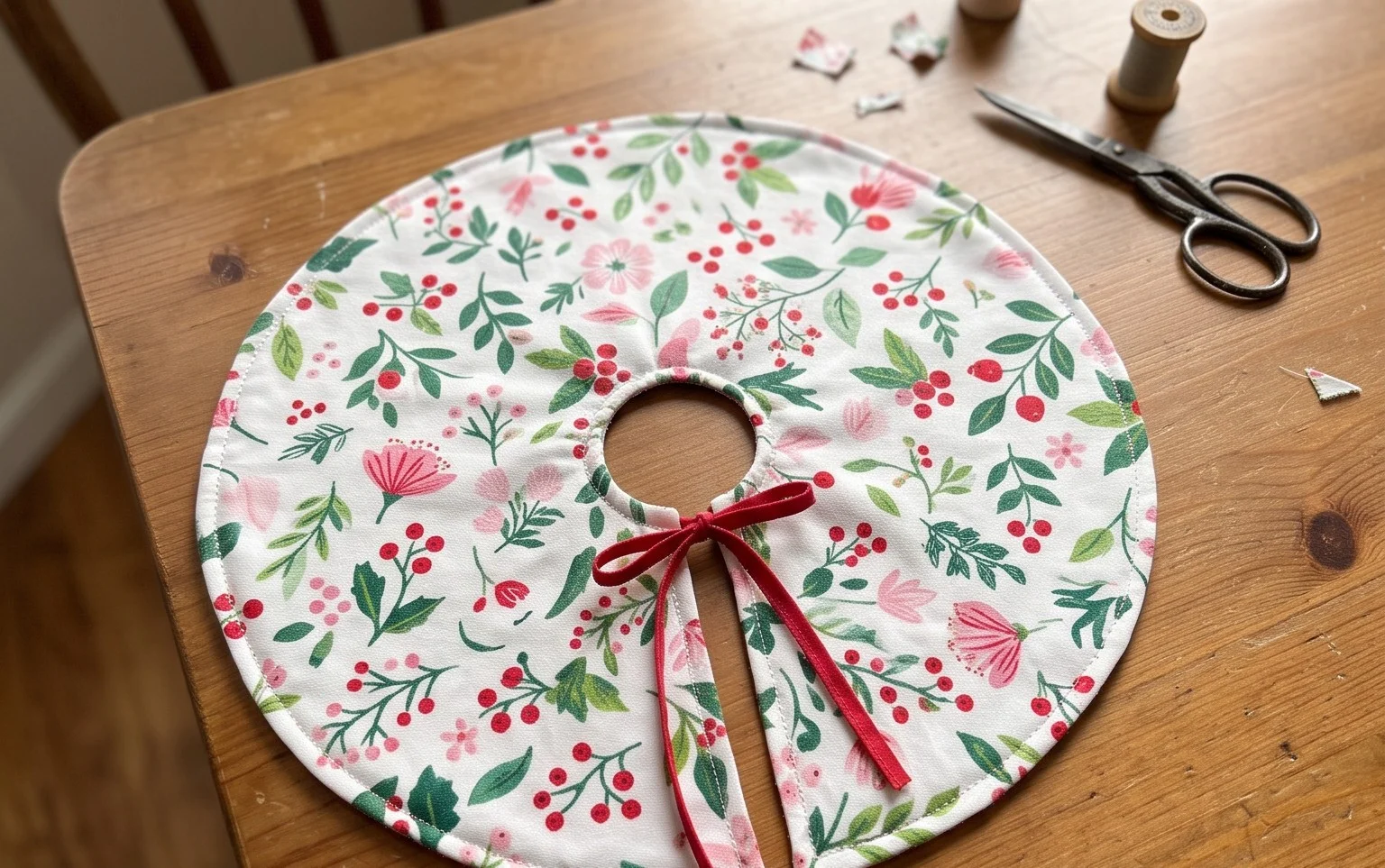
A small crochet tree skirt gives a tabletop holiday tree a soft, finished base and keeps its stand tucked out of sight. The finished piece has a cozy handmade texture that looks at home on a mantel, desk, or side table, and it is small enough to finish without taking over your craft time. Beginners can practise steady stitches and shaping, while experienced crocheters can enjoy a quick seasonal project or make one as a thoughtful gift. In this pattern, you’ll learn how the stitches build the skirt’s shape and how the center opening lets it sit around the tree trunk. Choose colors that suit your decorations, then add a simple tie or fastening to keep the skirt in place. The result is a useful little accent you can bring out each holiday season.
Why You’ll Love This Pattern
This square cotton dishcloth is made in simple single crochet rows, so you can focus on keeping the edges straight rather than learning a complicated stitch pattern. Its small size makes it a practical first project and a useful way to practise consistent tension.
A single ball of worsted-weight cotton usually provides enough yarn, and leftover cotton can be used for stripes. The dense fabric is suited to everyday kitchen use, while the finished cloth is easy to wash and reuse. Make a set in coordinating colors for a practical housewarming gift.
The rows were easy to follow, and the finished cloth feels sturdy without being stiff. I made a second one with the cotton left in my basket.
— Mia, weekend crocheter
Pattern Overview & Skill Level
- Skill Level: Beginner. You need to know how to chain and single crochet.
- Approximate Time: About 2–3 hours, depending on your pace and how often you stop to check your edges.
- Construction: Work a flat square in turned rows, then weave in the starting and finishing tails. There is no seaming or assembly.
- Finished Dimensions & Sizing: Approximately 6 × 6 in (15 × 15 cm) using the suggested yarn and hook. Small differences in tension may change the final measurements.
Materials & Supplies Needed
- Yarn: Approximately 50 yd (46 m) of worsted-weight (#4) 100% cotton yarn. Use one color, or change colors for stripes; the total yardage stays about the same.
- Hook Size: 5.0 mm / H-8 crochet hook. If your fabric feels loose, try a 4.5 mm / 7 hook; if it feels stiff, try a 5.5 mm / I-9 hook. Changing hook size may change the finished measurements.
- Notions: Tapestry needle for weaving in ends, scissors, and a ruler or measuring tape.
- Substitutions: Choose another smooth, absorbent cotton yarn of similar thickness. Cotton blends can work, but acrylic may absorb water less effectively. Thicker or thinner yarn changes the cloth’s size and feel, so check the dimensions as you crochet.
Gauge: About 16 single crochet stitches and 18 rows measure 4 in (10 cm) after light washing and drying. Gauge is not essential for a dishcloth, but matching it helps you reach the listed size.
Stitch Guide & Abbreviations (US Terms)
- ch = chain.
- sc = single crochet: insert hook into the stitch, yarn over and pull up a loop, yarn over and pull through both loops.
- st = stitch; plural sts = stitches.
- sk = skip the indicated stitch or stitches.
- rep = repeat the indicated instruction.
- turn = rotate the work to crochet back across the previous row.
The turning chain does not count as a stitch in this pattern. Work the first single crochet into the first stitch after turning, not into the turning chain.
Step-by-Step Pattern Instructions
Dishcloth
Chain 31. Keep the foundation chain relaxed so the lower edge does not pull in. If your chains are much tighter than your single crochet stitches, use a larger hook just for the foundation chain.
- Row 1: Sc in the second ch from the hook and in each ch across. Turn. (30 sts)
- Row 2: Ch 1, sc in each st across. Turn. (30 sts)
- Rows 3–10: Rep Row 2 eight times. Turn after each row. (30 sts per row)
- Rows 11–20: Rep Row 2 ten times. Turn after each row. (30 sts per row)
- Rows 21–30: Rep Row 2 ten times. Turn after each row. (30 sts per row)
After Row 30, check that the cloth measures about 6 in (15 cm) on each side. If it is slightly longer or shorter, that is fine; stop when the piece looks square or continue with a few more rows if needed. For the stated dimensions, keep the same number of rows as stitches and use your gauge to guide small adjustments.
Finish
Cut the yarn, leaving a tail about 6 in (15 cm) long. Pull the tail through the last loop to secure it. Thread the tail onto a tapestry needle and weave it through several stitches on the wrong side, changing direction once so it is less likely to come loose. Weave in the foundation tail in the same way. Trim the ends close to the fabric without cutting the stitches.
Wash and dry the cloth before using it. This relaxes the stitches and gives you a better sense of its final size. If the edges curl, lay the damp cloth flat and gently square it with your hands.
Care & Washing Instructions
- Wash cotton in a machine with warm water, up to 40°C (104°F), or follow the yarn label if it gives a lower limit.
- Dry flat when possible; reshape the corners while the cloth is damp.
- Press or block lightly if needed, using the heat setting recommended on the yarn label.
Pro Tips & Common Mistakes to Avoid
- Keep the tension even: Aim for a fabric that bends easily but has no large gaps. If it feels board-like, loosen your grip or try a larger hook.
- Count each row: Check for 30 stitches before turning. Missing the final stitch can make the cloth narrower over several rows, so count the stitches at both edges too.
- Watch the first and last stitches: The turning chain does not count. Place your first sc in the first stitch and work into the final stitch at the far edge to keep the sides straight.
- Adjust size deliberately: To make a wider cloth, add chains; each added chain gives one extra stitch. Add rows for more length. A larger cloth uses more yarn, so have extra cotton ready before increasing both dimensions.
Frequently Asked Questions
Can I use a different yarn fiber?
You can use another yarn, but cotton is absorbent and holds up well to repeated washing. A cotton blend may feel softer or drape more, while acrylic may be less useful for wiping spills. Check the yarn label for washing guidance.
How can I make the dishcloth smaller or larger?
For a smaller cloth, begin with fewer chains and work fewer rows. For a larger cloth, add chains for width and rows for length. Keep the piece roughly square, and expect the larger version to use more yarn and take longer.
Is this pattern suitable for a first crochet project?
Yes. It uses only chains and single crochet, with no shaping or joining. The main challenge is counting consistently and working into the last stitch of every row. A stitch marker can help mark the first or last stitch.
Can I sell dishcloths made from this pattern?
Check the designer’s terms before selling finished items, and follow any stated credit or sales conditions. This pattern uses common stitches, but the designer’s written terms still apply.
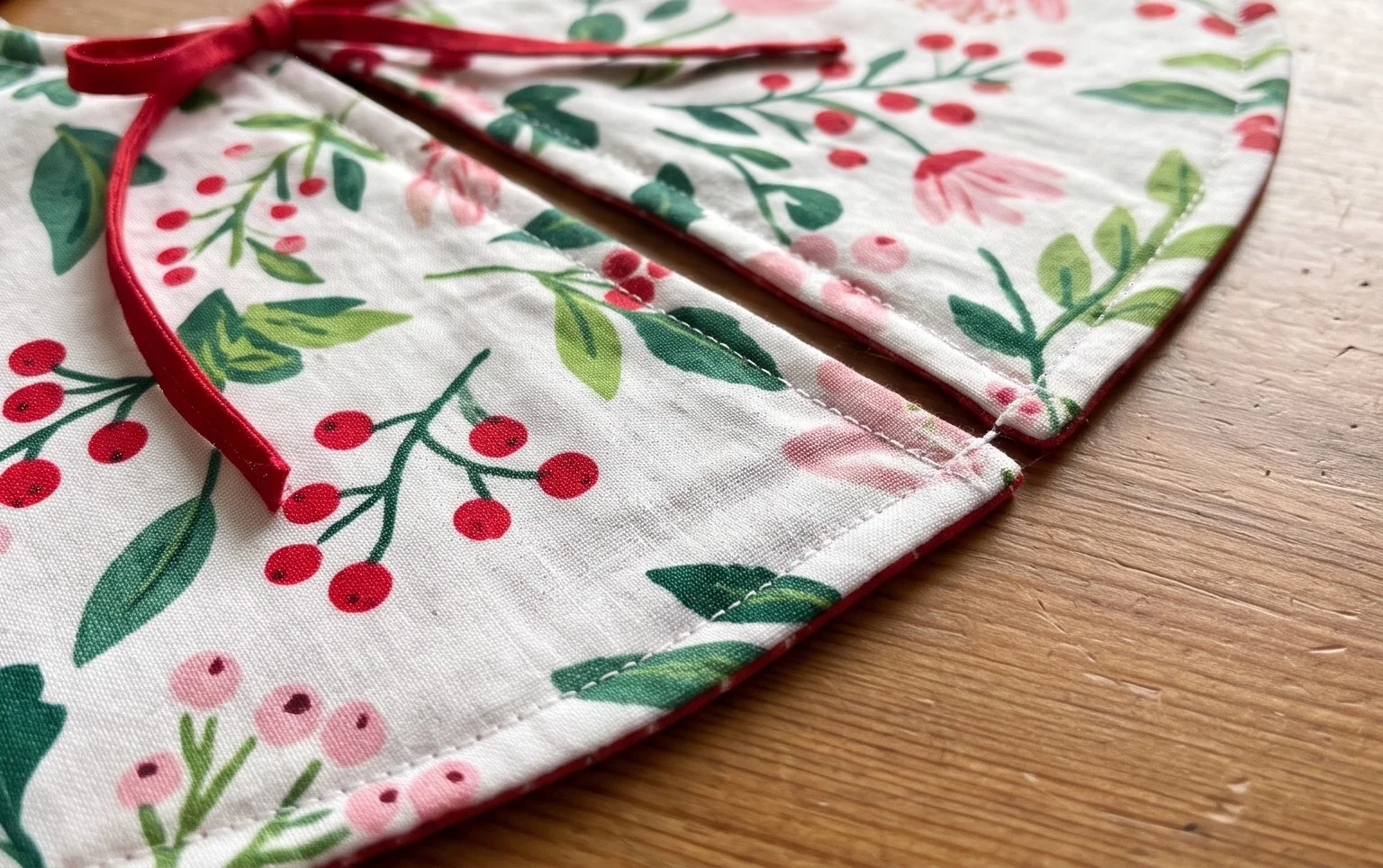
A finished mini skirt gives a small holiday tree a neat, soft base, and it is satisfying to see a few simple crochet stitches turn into a decoration you can bring out each year. For a different look, make the skirt in a classic cream or deep green instead of a bright seasonal shade. You can also adjust the size to suit a slightly wider tabletop tree, keeping the center opening large enough to fit around its trunk. Share a photo of your finished project on Pinterest or your favorite social platform so other makers can see your colors and details. When you’re ready for another seasonal project, explore more free crochet patterns on the blog.