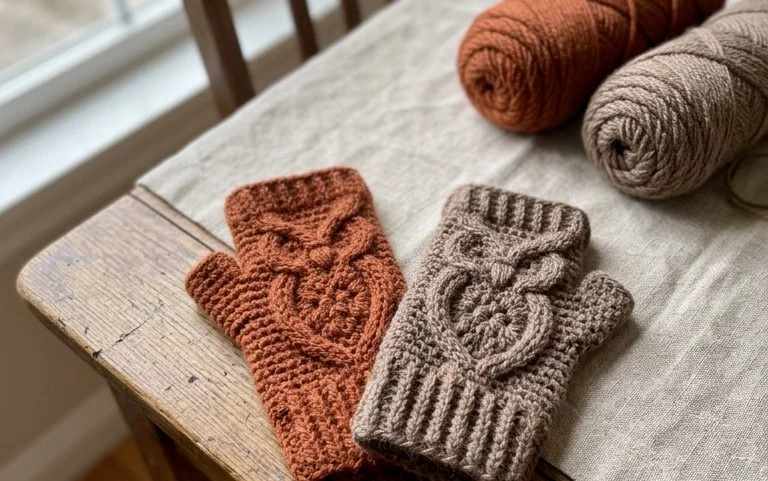
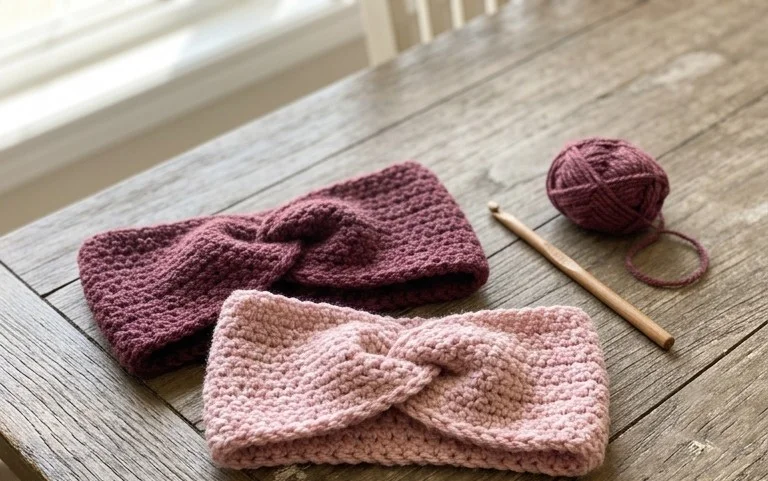
35 Free Winter Headband Crochet Patterns for Beginners
A thick, cozy ear warmer keeps the chill off your skin during long walks or morning errands when the wind starts biting. These projects are beginner-friendly because they use basic stitches like single or double crochet to create dense, squishy fabrics that trap heat against your forehead. You can finish one in an evening while relaxing on the couch with a hot drink. Many of these designs rely on chunky weight yarn, which helps the work progress quickly. You will learn to manage tension and join rounds to create seamless accessories for everyone in your family.
Why You’ll Love This Pattern
The Classic Crochet Cotton Dishcloth relies on a simple, rhythmic stitch pattern that makes it an ideal project for winding down after a long day. Because it is worked in a repetitive texture using cotton yarn, it is highly absorbent and holds up well against daily kitchen use. This design is perfect for using up leftover partial skeins, allowing you to create a functional set in various colors without needing a full new ball for every item. The small scale means you can finish one in a single evening, providing a quick sense of accomplishment.
I managed to whip up a dozen of these for a housewarming gift. The texture is perfect for scrubbing, and they wash beautifully in the machine every single time.
— Sarah, home crafter
Pattern Overview & Skill Level
- Skill Level: Beginner
- Approximate Time: 1 to 2 hours per dishcloth
- Construction: Worked in flat rows back and forth, starting with a foundation chain
- Finished Dimensions: 8 inches by 8 inches
Materials & Supplies Needed
- Yarn: Worsted weight (#4) 100% cotton yarn, approximately 70 yards per dishcloth.
- Hook Size: 5.0 mm (H-8) crochet hook.
- Notions: Tapestry needle for weaving in ends, scissors.
- Safe Yarn Substitutions: You may use a cotton-linen blend for a more scrubby texture, though this may make the fabric slightly stiffer. Avoid acrylic yarns, as they are not absorbent and will not work effectively for cleaning tasks.
Stitch Guide & Abbreviations (US Terms)
- ch = chain
- st = stitch
- sc = single crochet: Insert hook into st, yarn over, pull up a loop, yarn over, pull through both loops on hook.
- dc = double crochet: Yarn over, insert hook into st, yarn over, pull up a loop, yarn over, pull through two loops, yarn over, pull through remaining two loops.
- sl st = slip stitch: Insert hook into st, yarn over, pull through both the st and the loop on your hook.
- Moss Stitch: A repeat of (sc, ch 1, skip 1).
Step-by-Step Pattern Instructions
Main Dishcloth Body
This project is worked in rows. You will turn at the end of each row. The turning chain does not count as a stitch throughout the pattern.
- Row 1: Ch 32. Sc in the 4th ch from hook, ch 1, skip 1 ch, sc in next ch repeat from * to * until the end of the row. (16 sc, 15 ch-1 spaces)
- Row 2: Ch 2, turn. Sc in the first ch-1 space, ch 1, skip next sc, sc in next ch-1 space repeat from * to * across to the last sc. (16 sc, 15 ch-1 spaces)
- Rows 3-30: Repeat Row 2 until the piece measures 8 inches in height.
- Finishing Row: Ch 1, turn. Sc in each sc and each ch-1 space across to the end. Fasten off.
Border and Assembly
A simple border helps keep the edges of the dishcloth from curling over time. Join your yarn at any corner with a slip stitch.
- Round 1: Work 3 sc in the corner stitch. Evenly space sc stitches along the sides of the dishcloth, working 3 sc into each corner to ensure the work lies flat. Join with a sl st to the first sc.
- Final Step: Fasten off, leaving a 6-inch tail. Use your tapestry needle to weave the tail through the base of the stitches on the back side of the cloth.
Care & Washing Instructions
- Machine wash in warm water on a gentle cycle to preserve the fiber integrity.
- Lay the dishcloth flat on a clean towel to air dry, which prevents warping and maintains the square shape.
- If the cloth loses its shape after heavy use, dampen it slightly and pull it into a square on a flat surface to block it back into shape.
Pro Tips & Common Mistakes to Avoid
- Maintain consistent tension by holding your yarn with a slight grip, but avoid pulling too tightly as this makes the dishcloth stiff and less absorbent.
- Place a stitch marker in the first stitch of each row to help you track your beginning and ending points, especially if you are new to the moss stitch.
- Weave your ends in multiple directions—horizontally and vertically—through the thickest parts of the stitches to ensure they do not pull out after repeated washing.
- To adjust the size, add or subtract foundation chains in multiples of two; remember that a larger size will require more than 70 yards of cotton yarn.
Frequently Asked Questions
Can I use a different yarn weight for this pattern?
Yes, you can use DK or bulky weight yarn, but you will need to adjust your starting chain length to reach your desired width. DK yarn will create a thinner cloth, while bulky yarn will result in a thicker, heavier scrubber.
Is this pattern suitable for complete beginners?
This pattern is excellent for beginners because it only requires two basic stitches and repetition. Once you master the first two rows, the rest of the project is simply following the same rhythm.
Should I wash the yarn before starting the project?
It is not necessary to pre-wash the yarn, but cotton yarn can sometimes shrink slightly after its first trip through the laundry. If you want to be precise, you can wash a small swatch first to see how your specific yarn behaves.
Can I sell the finished dishcloths made from this pattern?
You are welcome to sell items you have handmade using this guide. Always check the specific yarn label for any fiber-specific limitations and represent your own work honestly in your shop.
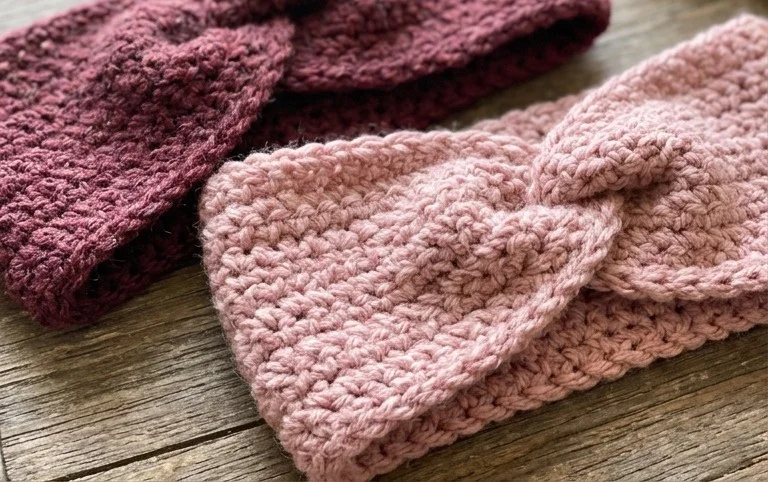
Finishing a handmade accessory gives you a warm piece of gear that fits exactly how you want it to sit on your head. Try swapping a solid color for a variegated yarn to add visual interest to the rows. Share a photo of your finished work with your friends or tag us in your latest post to show off your custom color choices. You can explore the rest of our pattern library for more winter garment ideas and seasonal projects to keep your hooks moving all year long.