One Skein Granny Rows Scarf: Free Beginner Crochet Pattern
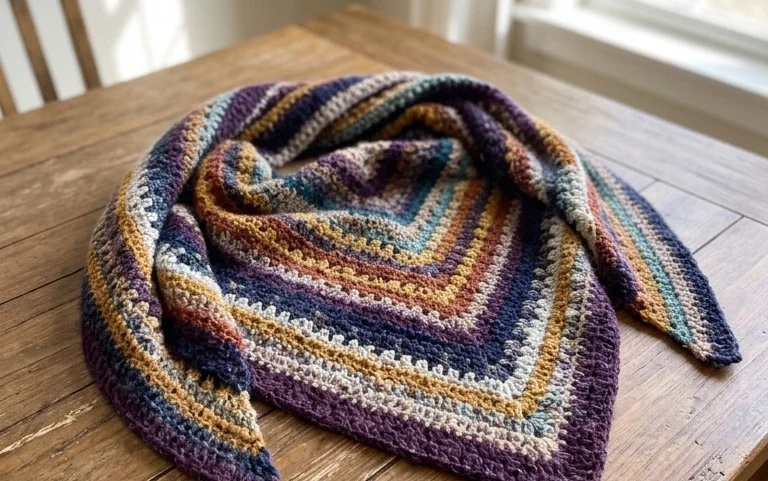
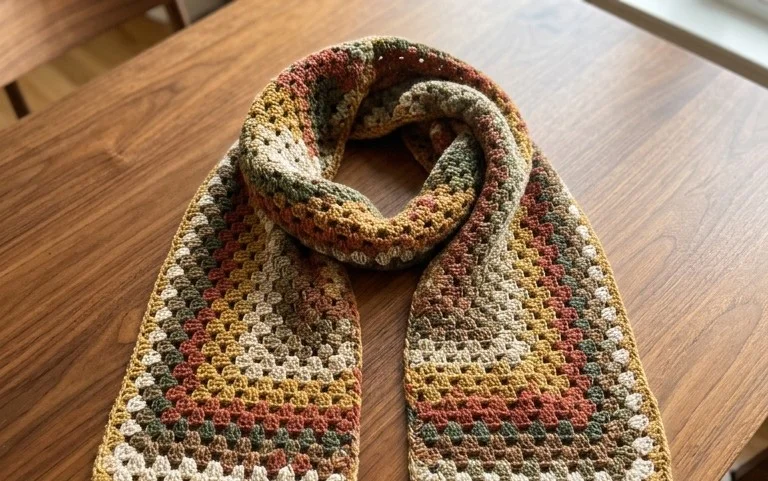
This simple wrap features the timeless look of cluster stitches, creating a lightweight accessory that feels soft against the skin during chilly mornings. Because it uses only one skein of yarn, it serves as a practical project for using up that special hand-dyed ball you have been saving in your basket. Beginners often appreciate how these repeating rows establish a rhythm that makes the work go quickly, while the finished scarf provides enough warmth without being bulky. You will learn how to maintain consistent edges and cluster spacing, resulting in a clean piece you can gift to friends or wear immediately.
Why You’ll Love This Pattern
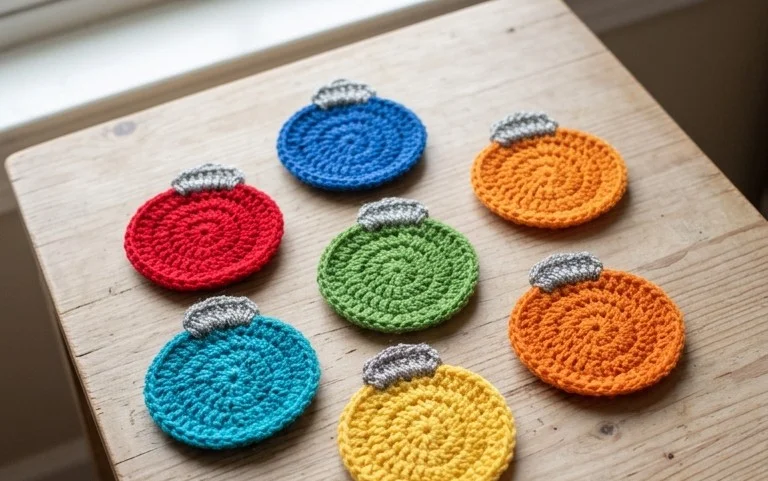
This beginner-friendly crochet coaster pattern uses simple single crochet stitches and a tight tension to create a sturdy, heat-resistant surface for your mugs. Because these coasters work up in under 30 minutes, they are an excellent project for utilizing small amounts of leftover cotton yarn. The circular construction is classic and clean, providing a professional look that protects your wooden surfaces from condensation and heat marks. This pattern relies on basic increasing techniques, making it an ideal way to practice maintaining consistent stitch counts while working in continuous rounds.
I managed to whip up a full set of six coasters in a single afternoon using scraps from my stash. The instructions were easy to follow and the final result lays perfectly flat without any curling.
— Sarah, hobbyist crocheter
Pattern Overview & Skill Level
- Skill Level: Beginner
- Approximate Time: 20-30 minutes per coaster
- Construction: Worked in continuous rounds using a magic ring and circular increases
- Finished Dimensions: Approximately 4 inches in diameter
Materials & Supplies Needed
- Yarn: Worsted weight (#4) 100% cotton yarn, approximately 15-20 yards per coaster. Cotton is necessary for heat resistance and absorbency.
- Hook Size: 4.5 mm (US 7)
- Notions: Tapestry needle for weaving ends, stitch marker to track the start of rounds, scissors.
- Safe Yarn Substitutions: Acrylic yarn can be used for decorative coasters, but it will not absorb moisture and may melt if exposed to very hot temperatures. Using a smaller hook with a lighter weight yarn will decrease the overall size of the finished coaster.
Stitch Guide & Abbreviations (US Terms)
- MR: Magic Ring
- ch: Chain
- sc: Single crochet
- inc: Increase (work 2 sc in the same stitch)
- sl st: Slip stitch
- st/sts: Stitch/stitches
- BLO: Back loop only (used for the final round to create a subtle ridge)
Step-by-Step Pattern Instructions
Coaster Body
- Rnd 1: Start with a MR, work 6 sc into the ring. Place a stitch marker in the first st. (6 sts)
- Rnd 2: Work 2 sc in each st around. (12 sts)
- Rnd 3: 1 sc, inc repeat from * to * 6 times. (18 sts)
- Rnd 4: 1 sc in next 2 sts, inc repeat from * to * 6 times. (24 sts)
- Rnd 5: 1 sc in next 3 sts, inc repeat from * to * 6 times. (30 sts)
- Rnd 6: 1 sc in next 4 sts, inc repeat from * to * 6 times. (36 sts)
Border and Finishing
- Rnd 7: Work 1 sc in the BLO of each st around to create a decorative edge. (36 sts)
- Closing: Join with a sl st to the first st of the round. Fasten off, leaving a 6-inch tail. Use your tapestry needle to weave the tail through the back loops of the final round to create an invisible join, then secure and trim the excess yarn.
Care & Washing Instructions
- Machine wash on a gentle cycle in cold water to prevent shrinking.
- Lay the coaster flat on a clean towel to air dry, reshaping it with your hands while damp.
- Avoid using fabric softener, as it can reduce the natural absorbency of the cotton fibers.
Pro Tips & Common Mistakes to Avoid
- Maintain tight tension throughout the project to ensure the coaster is thick enough to protect your furniture. If your stitches look loose or gappy, try dropping down one hook size.
- Always use a stitch marker at the start of your round. Since this pattern is worked in a continuous spiral, it is easy to lose your place without a marker.
- Weave your ends into the body of the coaster rather than just knotting them. This keeps the underside smooth so it does not scratch your tabletop.
- To adjust the size, simply continue the increase pattern (e.g., adding a row of 1 sc in next 5 sts, inc) for a larger coaster. Keep in mind that increasing the size will require more yardage per piece.
Frequently Asked Questions
Can I use a different yarn weight for this pattern?
Yes, you can use DK or bulky weight yarn, but your finished coaster size will change. If using a thinner yarn, you may need to add additional increase rounds to reach a 4-inch diameter.
Why are my coasters curling at the edges?
Curling usually indicates that your tension is too tight or that your stitch counts are incorrect. Ensure you are following the increase math correctly and try to keep your stitches consistent.
Are these coasters suitable for selling at markets?
Yes, many crocheters sell these as small-batch items. Always check the original source terms for copyright, but generally, handmade items produced in small quantities are acceptable.
Is cotton yarn the best choice for these?
Cotton is the standard choice because it is durable, machine washable, and highly absorbent. It also handles heat better than synthetic fibers like acrylic or polyester.
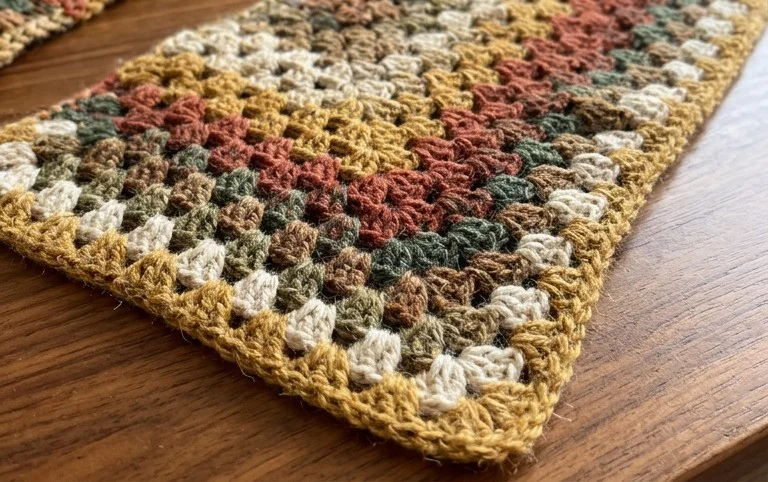
Your new scarf carries a soft drape that adds personality to any winter coat or simple sweater. You might try working this design in a variegated wool blend if you want to experiment with shifting colors across the rows, or you could add a long fringe to the ends for extra texture. Please tag your photos on social media so others can see your color choices. You are welcome to browse the rest of the blog for more free patterns to keep your hands busy during your next quiet evening.