Little Star Crochet Dishcloth: Easy Beginner Pattern
This kitchen staple features a tight, sturdy weave that feels substantial in your hands and scrubs away stuck-on food without scratching your cookware. Beginners love how quickly this project comes together, as the repetitive movement builds muscle memory while you create a practical household item. It serves as a great introduction to maintaining consistent tension and sharp, clean edges on square pieces. Whether you are stocking your own kitchen drawers or assembling a thoughtful gift for a housewarming, this project offers a meditative pace and a tidy finish that stays remarkably square after repeated heavy use.
Why You’ll Love This Pattern
This classic crochet dishcloth is designed to be the ultimate workhorse in your kitchen. It uses a dense, textured stitch pattern that provides excellent scrubbing power for everyday dishes while remaining soft enough to handle delicate glassware. Because it is worked in a simple cotton yarn, it is both absorbent and incredibly durable, standing up to hundreds of wash cycles without losing its shape. The repetitive nature of the stitch creates a meditative rhythm, making this a perfect project for relaxing in the evenings or working on while listening to a podcast.
I finally found a pattern that doesn’t stretch out after a week of use. It stays flat, cleans well, and the size is just right for my hand.
— Sarah, home cook
Pattern Overview & Skill Level
- Skill Level: Beginner
- Approximate Time: 1 to 1.5 hours
- Construction: Worked in flat rows, turning at the end of each row to build a square
- Finished Dimensions: 8 inches by 8 inches
Materials & Supplies Needed
- Yarn: Worsted weight (#4), 100% cotton yarn, approximately 75 yards. Cotton is preferred because of its heat resistance and absorbency.
- Hook Size: 5.0 mm (H-8)
- Notions: Tapestry needle for weaving in ends, scissors, and an optional measuring tape to check gauge.
- Safe yarn substitutions: You can use a cotton-acrylic blend for a softer feel, though it may be slightly less absorbent than 100% cotton. Avoid synthetic fibers like polyester or acrylic, as they do not absorb water well and can melt if they touch hot pans.
Stitch Guide & Abbreviations (US Terms)
- ch = chain
- st = stitch
- sc = single crochet
- dc = double crochet
- sk = skip
- sl st = slip stitch
- Moss Stitch: A combination of sc and ch-1 spaces, where the sc is worked into the ch-1 space of the previous row.
Step-by-Step Pattern Instructions
The entire dishcloth is worked as a single piece. You will maintain the same stitch count throughout the project to ensure a perfect square.
Foundation: Chain 32.
Row 1: Sc in the 4th ch from the hook. *Ch 1, sk 1 ch, sc in next ch. Repeat from * across. Turn your work. (16 sc, 15 ch-1 spaces)
Row 2: Ch 2. Sc in the first ch-1 space. *Ch 1, sk next sc, sc in next ch-1 space. Repeat from * across, ending with a sc in the turning ch space. Turn your work. (16 sc, 15 ch-1 spaces)
Rows 3-30: Repeat Row 2 until the piece measures approximately 8 inches tall. Ensure you are working consistently into the chain spaces rather than the stitches themselves. (16 sc, 15 ch-1 spaces)
Finishing
Once you reach the desired length, fasten off your yarn, leaving a 6-inch tail. Use your tapestry needle to weave the tail back and forth through the base of the stitches on the back side of the cloth to secure it. Trim any excess yarn flush with the fabric surface.
Care & Washing Instructions
- Machine wash on a warm setting (up to 104°F) with like colors.
- Tumble dry on low heat or lay flat on a towel to air dry to prevent shrinkage.
- Reshape the dishcloth with your hands while it is still damp if the edges begin to curl over time.
Pro Tips & Common Mistakes to Avoid
Consistent tension is the secret to a professional-looking dishcloth. If your stitches are too tight, the fabric will be stiff and difficult to clean with; if they are too loose, the fabric will lose its scrubbing structure. Try to keep your yarn tension even across every row.
Use a stitch marker at the start of every row to help identify the turning chain space. Many beginners accidentally skip the last stitch or the turning chain, which causes the edges of the square to slant inward.
Weave your ends in by threading the tail through the thickest part of the finished edge rather than just pulling it through a single loop. This prevents the end from popping out after repeated washings.
You can adjust the size of the dishcloth by changing the foundation chain to any even number. Keep in mind that increasing the size will require additional yardage, so ensure you have at least 10 extra yards of yarn for every additional inch of width.
Frequently Asked Questions
Can I use a larger hook to make this project faster?
Yes, using a larger hook will make the project faster, but it will also make the fabric looser and more holey. This reduces the scrubbing ability of the dishcloth, so stick to the recommended 5.0 mm hook for the best results.
How do I know if I have enough yarn?
Weigh your yarn ball before starting. If you have at least 1.5 ounces of worsted weight cotton, you will have plenty of material to complete this 8-inch square.
Is this pattern suitable for complete beginners?
This pattern is ideal for beginners because it only uses basic stitches. The moss stitch is very forgiving, and because it is a dishcloth, minor tension mistakes will not impact the functionality of the item.
Am I allowed to sell the dishcloths I make from this pattern?
You are welcome to sell finished items created from this pattern. However, you may not redistribute, sell, or claim the written pattern instructions as your own work.
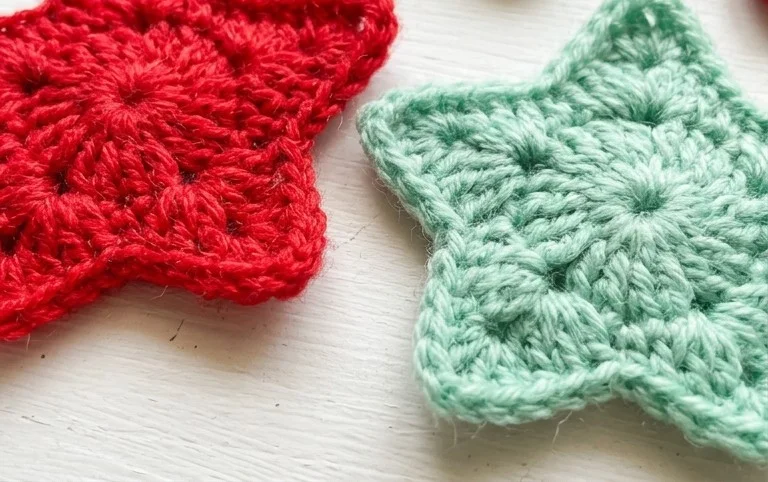
Your finished square will serve you faithfully in the kitchen for years, especially if you rinse it well and hang it to dry between tasks. You can experiment with different cotton colors to match your seasonal decor or work a slightly larger version by adding extra foundation chains for a handy facecloth. Seeing your completed handiwork in use is the most rewarding part, so feel free to share a photo of your work online. Browse the rest of my site for more free patterns to fill your afternoon.