Easy Climbing Vine Stitch Dishcloth Free Crochet Pattern
The Climbing Vine stitch creates a delicate, winding texture that feels substantial in your hands while scrubbing dishes. This pattern works well for beginners who want to move beyond basic squares without getting lost in complicated repeats. You will appreciate the way the yarn catches on itself to provide a scrubby surface, which makes cleaning counters or glassware much more effective than a smooth cloth. It is a relaxing project to work on while listening to a podcast, and the final piece makes a thoughtful, durable gift for anyone stocking a new kitchen or replacing worn sponges with reusable cotton versions.
Why This Project Is Worth Making
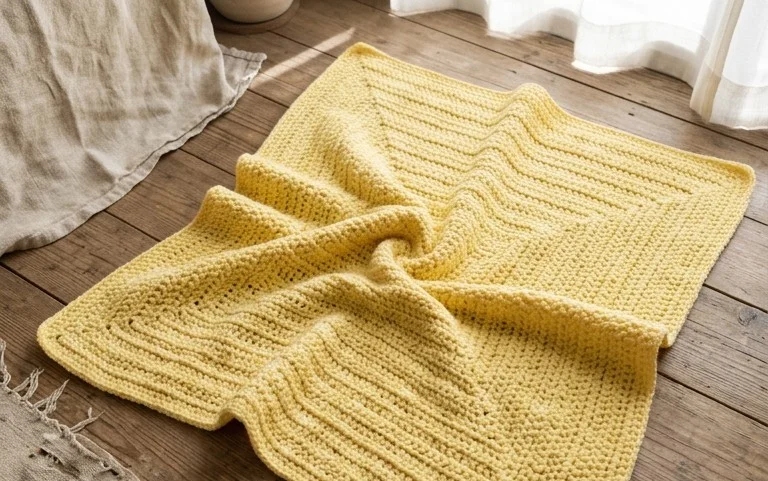
The Classic Crochet Dishcloth provides a satisfying, rhythmic project that creates a functional tool for your home. You work this pattern using a single stitch throughout, which helps you maintain consistent tension while you practice keeping your edges straight. Because it uses a small amount of yarn, it serves as an excellent way to use up cotton remnants from larger projects. You can finish this dishcloth in a single evening, making it a practical choice for handmade gifts or stocking your own kitchen.
I loved how quickly this worked up. The texture is perfect for scrubbing, and it held its shape perfectly after I washed it for the first time.
— Sarah, home crafter
Pattern Overview & Skill Level
- Skill Level: Beginner
- Approximate Time: 1 to 2 hours
- Construction: Flat square worked in rows, starting with a foundation chain and ending with a final row of slip stitches for a clean border.
- Finished Dimensions: 8 inches by 8 inches
Materials & Supplies Needed
- Yarn: Worsted weight (#4) 100% cotton yarn, approximately 60 yards. Cotton is necessary for its absorbency and heat resistance.
- Hook Size: 5.0 mm (H-8) crochet hook.
- Notions: Tapestry needle for weaving in ends, a pair of sharp scissors.
- Yarn Substitutions: You may use a cotton-linen blend, which will be slightly stiffer but durable. Avoid acrylic yarns, as they are not absorbent and will melt if they touch a hot pan.
Stitch Guide & Abbreviations (US Terms)
- ch = chain
- sc = single crochet: Insert hook, yarn over, pull up a loop, yarn over, pull through both loops on hook.
- sl st = slip stitch: Insert hook, yarn over, pull up a loop, pull loop directly through the stitch on your hook.
- st/sts = stitch/stitches
- yo = yarn over
Step-by-Step Pattern Instructions
This dishcloth is worked in rows of single crochet. You will ch 1 at the end of every row to turn, which does not count as a stitch.
Dishcloth Body
- Row 1: Ch 31. Sc in the second ch from hook and in each ch across. (30 sts)
- Row 2: Ch 1, turn. Sc in each st across. (30 sts)
- Rows 3-30: Repeat Row 2 until the piece measures approximately 8 inches square. (30 sts)
Finishing
- Do not fasten off after Row 30. Rotate the piece to work along the side edge.
- Work one row of sl st evenly spaced along all four sides of the dishcloth to create a finished, non-rolling border. Work 3 sl sts in each corner to allow the edge to turn smoothly.
- Fasten off, leaving a 6-inch tail. Use the tapestry needle to weave the end securely into the back of the work.
Care & Washing Instructions
- Machine wash in cold or warm water with like colors on a gentle cycle.
- Tumble dry on low heat or lay flat on a towel to air dry to prevent shrinkage.
- Reshape the dishcloth with your hands while it is damp if it has become slightly distorted during use.
Pro Tips & Common Mistakes to Avoid
Consistent tension is the most important factor in creating an even square. If your dishcloth looks like a trapezoid, check if you are accidentally skipping the first or last stitch of each row. Using a stitch marker in the first stitch of every row helps you keep track of your count and ensures you do not miss the turning stitch. You can adjust the size of the dishcloth by chaining any number of stitches for your foundation row, though keep in mind that a larger dishcloth will require more than 60 yards of yarn. Always weave your ends into the body of the work rather than just cutting them, as this prevents the edges from unraveling during frequent use.
Frequently Asked Questions
Can I use a larger hook for this pattern?
Yes, using a larger hook will make the fabric looser and more drape-heavy, but it will also use more yarn and create larger gaps in the stitches. For a dishcloth, a tighter stitch is generally preferred for durability.
Is this pattern suitable for complete beginners?
Absolutely. This pattern requires only the single crochet stitch and the ability to turn your work, which are the fundamental skills taught in every beginner crochet course.
Can I sell the dishcloths I make from this pattern?
You are welcome to sell finished items made from this pattern, provided you credit the designer and use your own photographs for the product listings.
Why does my dishcloth curl at the edges?
Curling usually happens if your tension is too tight or if you are accidentally adding stitches at the ends of your rows. Ensure you have 30 stitches at the end of every row to maintain a flat surface.
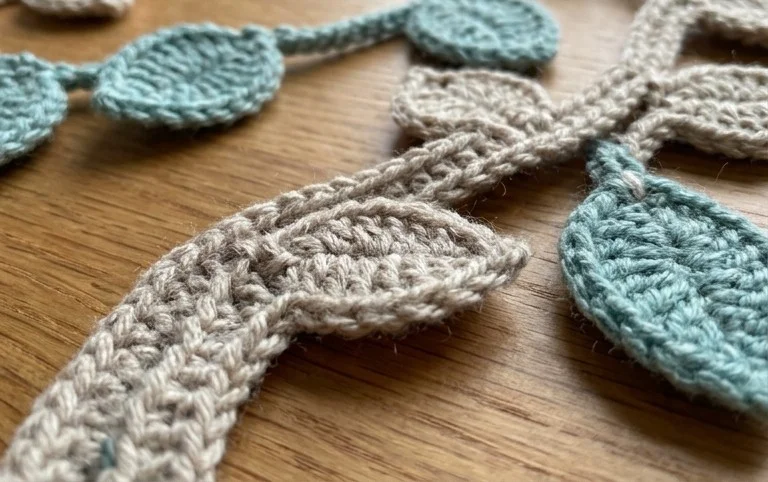
Your new textured kitchen companion will soften with every trip through the laundry cycle while maintaining that signature winding vine design. Try making these in variegated cotton yarn to make the stitch definition pop even more, or work a larger version to create a matching hand towel for your sink area. Sharing your progress on social media helps other makers find inspiration for their own yarn stashes. You can find more free patterns and seasonal projects in our full archive on the blog whenever you are ready for your next handmade endeavor.